
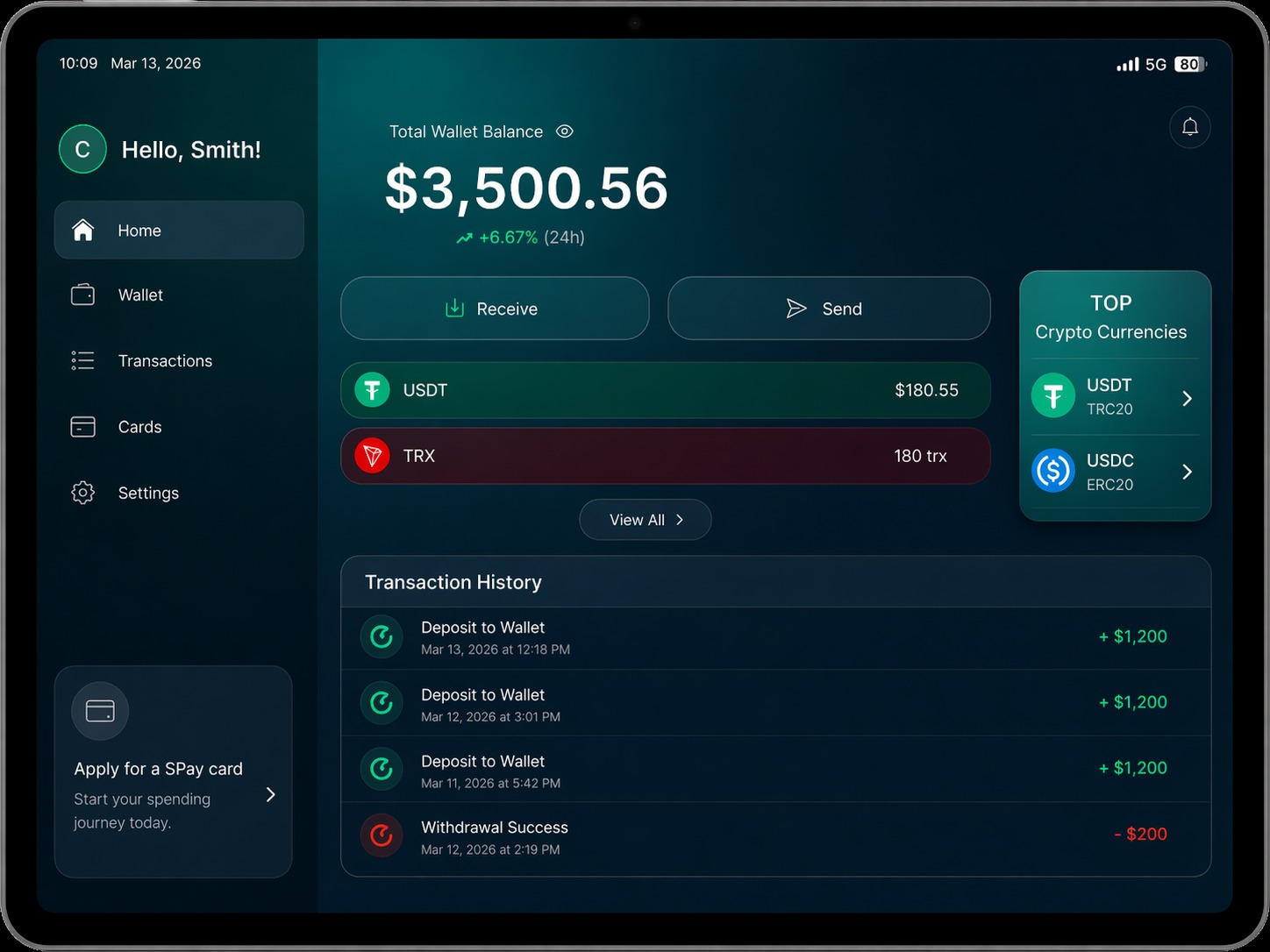
The world of stablecoins has grown significantly in recent years, with USDT (Tether) and USDC (USD Coin) emerging as two of the most popular choices. While both coins aim to provide stability by pegging their value to the US dollar, questions around transparency often influence how users and investors perceive them. This article explores USDT vs USDC, how these two stablecoins measure up in transparency and accountability.
USDT and Its Transparency Practices
USDT, issued by Tether, is the first stablecoin to gain widespread adoption in the crypto industry. However, controversies over the backing of its reserves have often clouded its reputation. Critics have frequently raised concerns about the company’s reluctance to provide detailed and frequent audits.
According to Tether, every USDT token is backed by its reserves, which include cash, cash equivalents, and other assets. While Tether has released occasional attestations by third-party firms, these statements do not always meet the level of detail that some users expect. This perceived lack of consistent disclosure has led to debates about the coin’s transparency, despite its vast adoption.
How USDC Stands Out
On the other hand, USDC is managed by Circle, a financial technology firm, in collaboration with Coinbase under the umbrella of the CENTRE Consortium. Circle has emphasized the importance of regular audits and publishes monthly reports that outline the status of USDC’s reserves. These reports, verified by top-tier accounting firms, aim to instill trust among users by showcasing clear accountability.
USDC’s commitment to publishing in-depth and consistent financial reports has set a standard for transparency within the stablecoin sector. Additionally, Circle has openly adhered to regulations and works closely with U.S. authorities, adding another layer of confidence for those who prioritize compliance.
Why Transparency Matters in Stablecoins
Transparency is a critical factor for stablecoins since their primary purpose is to maintain stability. Without verifiable backing, users may doubt the token’s value in unstable or high-risk scenarios. A stablecoin backed by clear financial reporting helps maintain trust in markets, especially for institutional investors and businesses.
Both USDT and USDC remain dominant players, but contrasting approaches to transparency have become key differentiators. For individuals and institutions that prioritize openness and reliability, USDC’s model often feels more reassuring. Meanwhile, USDT continues to thrive due to its early adopter advantage and extensive market presence.
Ultimately, understanding these differences empowers investors to make informed decisions when considering stablecoins for trading, payments, or long-term storage of value.