
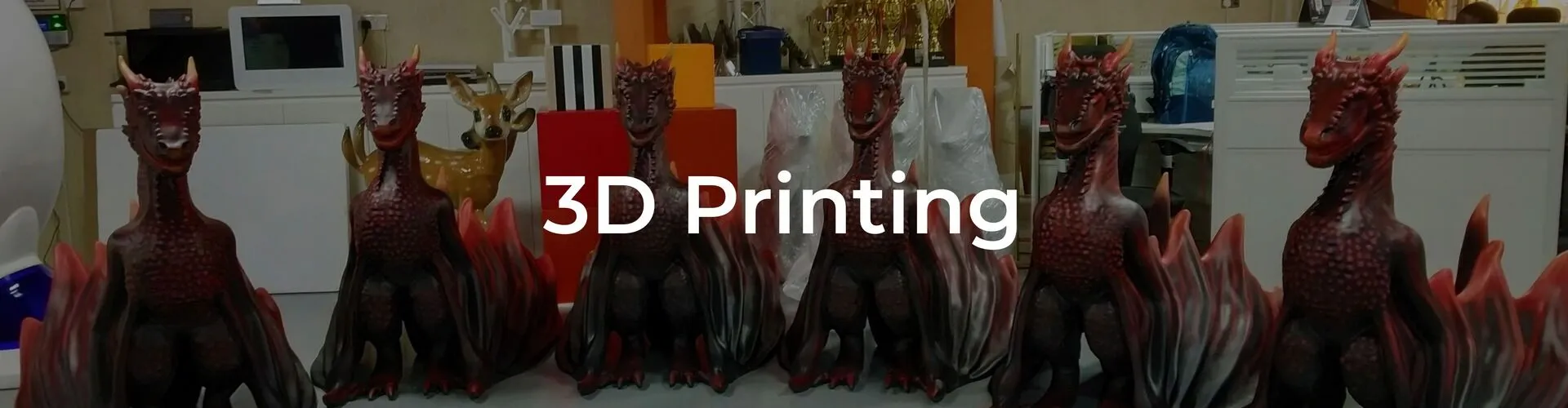
Industries once tied to large factories, expensive equipment, and long production schedules are now exploring faster ways to make products. From food production to fashion, new technology gives teams fresh options for design, testing, and small-batch manufacturing. This change helps companies reduce waste, test ideas quickly, and produce unusual items with greater control. At the center of this change, 3D printing Jeddah gives businesses a practical tool for modern production.
Food and culinary production:
Food companies now use specialized printers to produce edible designs, customized meals, and decorative pieces. Chefs experiment with chocolate, dough, purees, and other ingredients to build detailed shapes that traditional tools struggle to achieve. Restaurants can also use digital designs to make food presentations more consistent.
Fashion and footwear:
Fashion designers use printed materials to produce shoes, accessories, jewelry, and experimental clothing pieces. Digital files let designers adjust shapes quickly before producing a final item. Shoe companies also use printed soles and custom-fit components to give customers products that match specific foot measurements.
Construction and housing:
Construction companies explore printed walls, structural components, and small buildings. Large printers can place concrete in precise patterns while reducing the need for certain manual tasks. This approach can cut material waste and help teams produce unusual building designs with fewer resources.
Medical and dental products:
Healthcare companies use 3D printing for dental models, surgical guides, prosthetic parts, and custom medical devices. Doctors and technicians can work from digital scans to produce parts that match individual measurements. This process helps reduce fitting problems and supports faster production for selected medical applications.
Education and research:
Schools, colleges, and research centers use printed models to make complex ideas easier to study. Students can hold mechanical parts, anatomical models, architectural structures, and scientific prototypes instead of relying only on drawings. Researchers also print test components and custom laboratory tools for specific experiments.
A broader production shift:
3D printing reaches industries that once seemed far removed from advanced manufacturing. Its ability to support customization, rapid testing, and small-scale production gives businesses new options for product development. As printers become easier to use and materials become more varied, unexpected sectors can adopt this technology for everyday needs.