
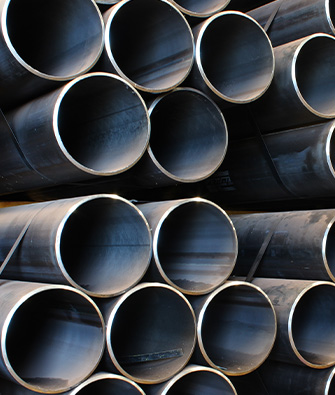
Fake steel pipes crack under pressure, leak chemicals, and collapse without warning. Factories in distant locations stamp false labels on weak metal, selling danger disguised as quality. Construction crews install these pipes unaware that a bridge, a boiler, or a gas line now holds a ticking failure.
Real manufacturers now deploy serious weapons against this fraud. Leading steel pipe manufacturers in Dubai have adopted several aggressive methods to protect buyers from deadly imitations.
Digital marketing tools
Laser etching creates permanent codes on metal. Each piece gets a unique ID linked to its exact date, batch, and test results. Owners scan these codes to view full histories. If a pipe lacks a valid code, the product is likely a fake. This method stops items from being mixed up during shipping or storage.
Blockchain for validation
Digital ledgers record every transaction from the factory to the site. Blockchain acts as a ledger that prevents tampering. Once information gets logged, nobody changes the source or the quality grades. Buyers view the entire path of their order in real time. This system makes it impossible to slip in unverified metal products without detection.
Specialized testing protocols
Authentic pipes pass intense physical exams. Factories use sound waves and X-rays to look for internal flaws. These tests check thickness and metal density. Counterfeiters skip these costly steps to save money. Official labs provide certificates that prove a pipe meets safety codes. Checking these documents keeps substandard metal away from vital projects.
Secure supply channels
Direct sales lower risk. Buying directly from authorized sources cuts out shady middlemen. Factories now limit who distributes their goods. They audit partners regularly to check storage and handling. This control keeps the product pure. When the chain stays short, the chance of fake items appearing drops to zero.
Collaborative monitoring
Groups join forces to report fake goods. Companies share lists of suspicious sellers to warn the market. Data sharing helps spot trends in fake activity. Industry associations hold meetings to draft new rules for material tracking. Collective action creates a tight net against bad players. Vigilance stays high because safety remains the top priority for every worker on the site. Genuine components stay in place while fake ones disappear from the market. Constant checking builds trust in every single weld and joint.